“3 Tane Bir Lira”nın “Efsane Cuma”ya Dönüşümü
Transformation of “3 One Lira” into “Legendary Friday”
 İhsan Bal
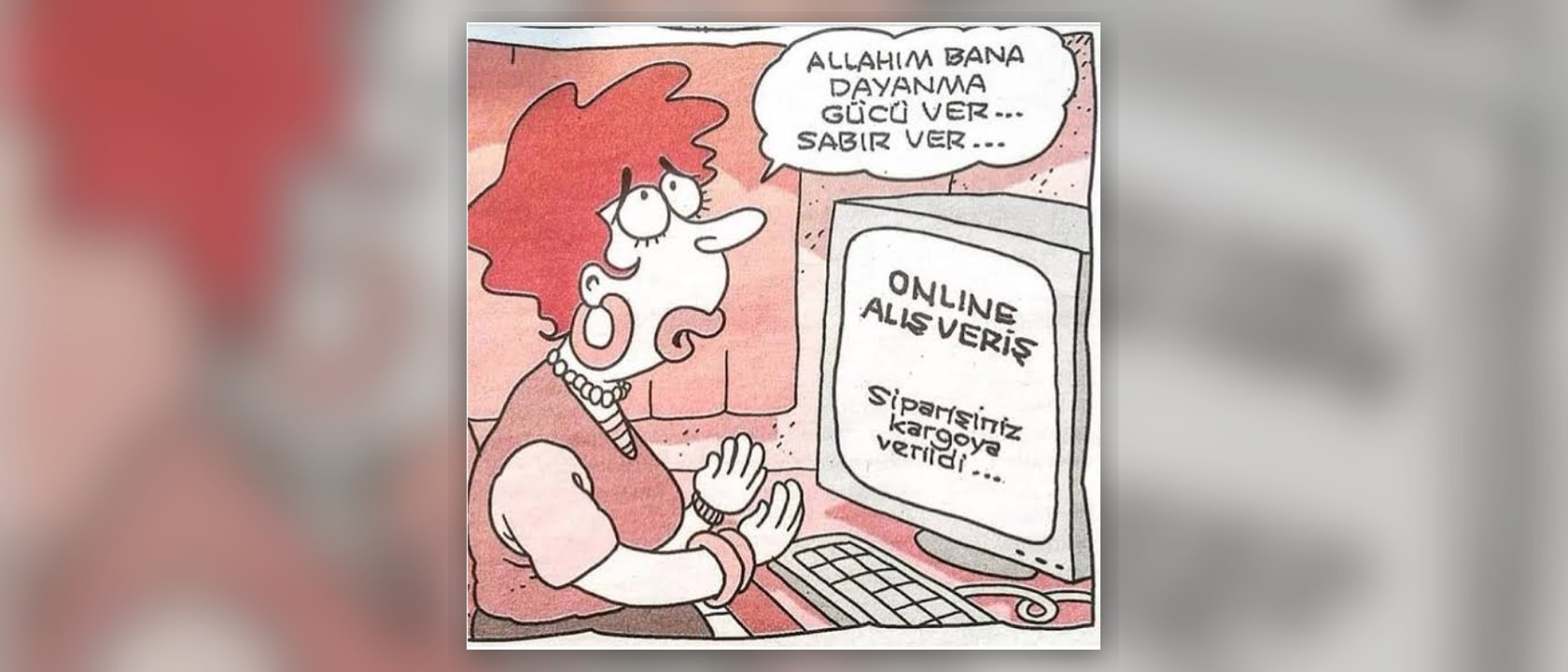
Hepimiz sadece ihtiyacımız olanı, doğru zamanda, bir sürü inceleme yaptıktan sonra, tamamen rasyonel kararlar vererek satın alıyoruz. Sadece ufak bir fark var. Bazılarımız bunları satın almadan önce belirlerken bazılarımız daha sonraya bırakıyor. Ekonomi bilimi on yıllar boyunca, bireylerin her zaman kendi faydalarını maksimize eden ve tamamen rasyonel kararlar alan “Homo Economicus (Ekonomik İnsan)” olduğu varsayımı üzerine inşa edilmiştir. Aslında biz de kendimizi rasyonel görme eğilimindeyiz. Bu yüzden sonradan bile olsa finansal kararlarımızı mantığa bürüyebiliyoruz. Bu durum psikolojide “Self-Serving Bias” ya da “Cognitive Dissonance” kavramlarıyla açıklanabilir. Yaptığımız eylemleri bir şekilde aklamak iyi oluş halimizin devamlılığı için gerekli gibi görünüyor. Tabii, bu olumsuz satın alma süreçlerinin birçok dış katalizörü de mevcut. Bize ihtiyacımız olmayan şeyleri satmak isteyen insanlar da çeşitli yöntemler kullanarak para kazanma derdindeler. Bu çeşitli yöntemler ise gün geçtikçe gelişiyor ve daha etkili hale geliyor. Eskiden pazarlarda duyduğumuz "Üç tane bir lira!" narasından, sosyal medyada sürekli karşılaştığımız “Efsane Cuma” bildirimlerine uzanan bu süreç, basit bir teknolojik değişimden ibaret değil. Bu dönüşüm; insan psikolojisinin, karar verme mekanizmalarının ve zaaflarımızın yeniden şekillendiği/şekillendirildiği derin bir süreç. Şimdi bu süreçteki finansal kararları psikoloji bilimi açısından inceleyeceğiz.
Dijital İllüzyon: Görünmez Paranın Hafifliği
Geleneksel alışveriş; fiziksel bir mekânda, yüksek sesli naralar eşliğinde ve gerçek para (nakit) kullanılarak gerçekleşirdi. Bugün ise paranın fiziksel bir nesneden dijital bir rakama dönüşmesi, harcama dürtümüz üzerindeki psikolojik kontrolümüzü zayıflatmaktadır. Eminim, kredi kartının gereksiz harcamayı artırdığını duymuşsunuzdur. Peki neden, nasıl? Nakit ödeme yaparken beynimizin ağrı merkezlerinin tetiklendiğini ve bunun literatürde “ödeme acısı (pain of paying)” olarak adlandırıldığını biliyoruz 1. Ancak temassız kartlar ve dijital cüzdanlar bu acıyı neredeyse hissedilemez hale getirmiştir. Ödeme eylemini, o ürünü tüketmenin verdiği hazdan ayrışması (decoupling), harcama kararlarını rasyonel bir maliyet hesabından çıkarıp anlık bir dürtüye dönüştürmektedir 2. Yani kısa video kaydırır gibi alışveriş yapıyorsanız aslında arkaplanda aynı psikolojik mekanizmalar çalışıyor demektir.
Sistem 1'in Zaferi: İndirimlerin Gölgesinde Rasyonellik
Daniel Kahneman'ın Sistem 1 (hızlı, duygusal, sezgisel) ve Sistem 2 (yavaş, rasyonel, mantıklı) mekanizmaları, özellikle indirim(!) dönemlerinde ciddi bir çatışma yaşar 3. “Sadece 2 saat kaldı!” gibi yapay aciliyet ve kıtlık mesajları, bizi yavaş ve mantıklı olan Sistem 2'den kopararak Sistem 1 ile hızlı, ve genellikle pişmanlık doğuran, kararlar almaya iter 4. Bu evrensel bilişsel zaaflara, Türkiye bağlamında bir de “enflasyon psikolojisi” eklenmektedir. Yüksek ve oynak enflasyon (fiyat artış oranı) ortamı, rasyonel modelleri altüst ederek korunma tüketimine (defensive consumption) neden olmaktadır. Paranın değer kaybedeceği (olduğundan daha hızlı) algısı, insanları gelecekteki fiyat artışlarından kaçınmak için o an ihtiyacı olmayan ürünleri bile satın almaya yöneltir. Ayrıca sürekli değişen etiket fiyatları (çoğu zaman bilinçli olarak yapılır), zihnimizdeki o sabit “referans fiyat” algısını yani “çapasını” (anchoring) bozar 5. Bu durum artık hepimizde olduğu gibi “Bu ürün pahalı mı, ucuz mu yoksa normal mi?” gibi sorular sormamıza ve karar verme güçlükleri yaşamamıza sebep olur. Gerçek değere dair zihinsel çapasını kaybeden birey, sürekli bir bilişsel yorgunluk yaşayarak dürtüsel hatalara daha açık hale gelir. Özellikte belirsizliğin yoğun olduğu ortamlarda, gelecekteki büyük ödüller yerine bugünkü küçük hazları tercih etme eğilimi de (delay discounting) artış gösterir 6. Bu bağlamda benzer işlevsiz davranışların azalabilmesi için anti-tez olarak yatırım (investment) pratiklerinin anlaşılması için yapılacak araştırmalar önem kazanmaktadır.
Vitrinlerden Portföylere: Alışveriş Dürtüsünün Yatırıma Dönüşümü
Peki, bu dijital savrulmanın yatırım kararlarımıza yansıması nasıl oluyor? Bu bağlamda, gelecek kaygısı kavramı öne çıkıyor. Kendini tüketimde ve harcamada olduğu gibi yatırım alışkanlıklarında da gösteriyor. Artık bu tür dürtüsel kararlar telegram gruplarıyla, tweetlerle, YouTube videolarıyla şekilleniyor. Bu açıdan bakınca Türkiye'nin kripto para vb. Araçlarda neden Avrupa'da birinci sırada yer aldığı da pek şaşırtıcı olmuyor. Genç kuşaklardaki bu yoğun ilgi, sadece kâr etme arzusuyla değil, “kaçırma korkusu (FOMO)” ile de tetiklenmekte 7,8. Bireyler, başkalarının vitrine koyduğu yaşamlardan geri kalmamak adına bütçelerini yüksek risklere maruz bırakmaktadır 9. İronik olarak bu davranış dürtüsel alışverişin tersi olarak görülebiliyor. Halbuki sadece alışverişin öznesinin değişmiş hali. Bu noktada sürü psikolojisi devreye girer diyebiliriz. Kendi başına analiz yapmak yerine “başkaları biliyordur (sosyal kanıt)” varsayımıyla hareket eden kitleler, verilerin yerine duyguları koymaya başlamış demektir 10. GameStop (Herkes alıyor diye artan ve bu nedenle alınan, sonrasında da dibe çöken bir şirket hissesi olayı.) veya Dogecoin gibi vakalarda gördüğümüz üzere, dedikodu ve spekülasyonlar piyasaları manipüle edebilmektedir 11, 12. İlginçtir ki finansal okuryazarlık düzeyinin düşük olduğu toplumlarda bile, benzer nedenlerle kripto piyasalarında aşırı özgüven (overconfidence) sergilendiği görülüyor. İnsanlar, teknik bilgi eksikliklerini gruba ait olmanın verdiği psikolojik güvenle kapatmaya çalışıyor 13.
Karanlık Tasarımlar ve Aydınlık Kararlar: Dijital Dürtülere Karşı Farkındalık
“Homo Economicus” efsanesi çoktan çökmüş, yerini beynindeki amigdala (korku) ve striatum (ödül) bölgeleri arasındaki kadim çatışmanın ortasında kalan “Duygusal Finansal İnsan” almıştır 14, 15. Yakın geçmişten itibaren değişen satın alma davranışlarımız aslında farklı amaçlarla gelişmiş psikolojik mekanizmalarımız kullanılarak yaygınlaştırılıyor. E-ticaret sitelerinin algoritmaları ve “Karanlık Tasarımlar” (Dark Patterns), bilişsel zaaflarımızı bizden daha iyi tanıyor 16. Yine de davranışsal iktisat ve psikoloji bu zaafları toplum yararına da kullanabiliyor. Örneğin, Türkiye'deki Otomatik Katılım Sistemi (OKS), bireyleri tasarrufa yönlendirmek için “varsayılan seçenek” (default) mekanizmasıyla dürtme (nudge) stratejisini başarıyla uygulamaktadır 17. Sonuç olarak, Homo Economicus'un vedasıyla boşalan tahta “Duygusal İnsan” oturmuş olabilir; ancak dijital dürtülerin bu denli kuşatıcı olduğu bir çağda rasyonelliğe giden yol, kusursuz kararlar almaktan değil, kendi zihinsel kusurlarımızı tanıma cesaretinden geçer.
*Bu metin insan ve YZ işbirliğiyle 6 saatte üretilmiştir.
Kaynakça
[1] Pain of paying? A metaphor gone literal: Evidence from neural and behavioral science. (2016). https://doi.org/10.2139/ssrn.2901808
[2] Prelec, D., & Loewenstein, G. (1998). The red and the black: Mental accounting of savings and debt. Marketing Science, 17(1), 4–28. https://doi.org/10.1287/mksc.17.1.4
[3] Ninety.io. (t.y.). Prospect theory: How people make decisions. https://www.ninety.io/hubfs/Founders%20Framework%20-%20Prospect%20Theory-%20How%20People%20Make%20Decisions.pdf
[4] Nudge theory. (2026, 18 Şubat). Wikipedia. https://en.wikipedia.org/wiki/Nudge_theory
[5] Cognitive biases and financial decision making: The role of digital finance and financial literacy. (2025). https://doi.org/10.52223/JSSA25-060104-121
[6] Fernandez, G. A. (2024). Subjective wellbeing, use of payments and financial capability: An empirical analysis of Mexico [Doktora tezi, University of Sheffield]. White Rose eTheses Online.
[7] Novus Insights. (2025). Tapping into the FOMO mindset of consumers: An area of research you mustn’t overlook. https://www.novusinsights.com/blog-details/tapping-into-the-fomo-mindset-of-consumers-an-area-of-research-you-mustnt-overlook
[8] Urbáez, L. (t.y.). The role of FOMO in Generation Z’s financial decision making [Lisans tezi, Theseus]. https://www.theseus.fi/bitstream/handle/10024/900437/Urbaez_Loredana.pdf
[9] FOMO related consumer behaviour in marketing context: A systematic literature review. (2023). Cogent Business & Management. https://doi.org/10.1080/23311975.2023.2250033
[10] The herd mentality: Understanding the theories and models of herding behavior in financial markets. (2024). https://doi.org/10.4018/979-8-3693-7827-4.ch010
[11] Effect of GameStop short squeeze on private investor behavior. (2021). Copenhagen Business School. https://research.cbs.dk/en/studentProjects/effect-of-gamestop-short-squeeze-on-private-investor-behavior/
[12] Karthik Murali, M. (2025, 13 Haziran). Case study: GameStop and the retail rebellion. Medium. https://medium.com/@karthikmuralim69/case-study-gamestop-and-the-retail-rebellion-1d2141e3ef7b
[13] Prabhakar, M., & Varma, S. (2025). The role of overconfidence and herding in stock market bubbles and crashes. Academy of Marketing Studies Journal, 29(6), 1-17.
[14] Murphy, T. F. (2024, 8 Haziran). Neuroeconomics: Understanding the biological foundations of economic activity. Psychology Fanatic. https://psychologyfanatic.com/neuroeconomics/
[15] Economic inequality causes alterations to brain functioning during risk taking. (t.y.). UNC Libraries. https://cdr.lib.unc.edu/downloads/z603r725w
[16] Kaya, M. B. (t.y.). Karanlık tasarımlar (Dark patterns). https://mbkaya.com/karanlik-tasarim-dark-patterns/
[17] Kamilçelebi, H., & Gül, S. (2020). Nudging in behavioral public policies in Turkey. İstanbul Ticaret Üniversitesi Sosyal Bilimler Dergisi, 19(Özel Ek), 275-294. https://izlik.org/JA75JW56KZ
We all buy only what we need, at the right time, after doing a lot of research, and making completely rational decisions. There is only one small difference. While some of us determine these before purchasing, some of us leave them for later. For decades, economics has been built on the assumption that individuals are “Homo Economicus” who always maximize their own utility and make completely rational decisions. In fact, we tend to see ourselves as rational. That's why we can rationalize our financial decisions, even later. This situation can be explained by the concepts of "Self-Serving Bias" or "Cognitive Dissonance" in psychology. It seems necessary to somehow justify our actions for the continuity of our well-being. Of course, there are many external catalysts for these negative purchasing processes. People who want to sell us things we don't need are also trying to make money using various methods. These various methods are developing and becoming more effective day by day. This process, which extends from the cry of "Three for one lira!" that we used to hear in the markets to the "Legendary Friday" notifications we constantly encounter on social media, is not just a simple technological change. This transformation; It is a deep process in which human psychology, decision-making mechanisms and our weaknesses are reshaped. Now we will examine the financial decisions in this process from the perspective of psychological science.
Digital Illusion: The Lightness of Invisible Money
Traditional shopping; It took place in a physical location, accompanied by loud shouts and using real money (cash). Today, the transformation of money from a physical object into a digital number weakens our psychological control over our impulse to spend. I'm sure you've heard that credit cards increase unnecessary spending. So why and how? We know that our brain's pain centers are triggered when paying in cash, and this is called "pain of paying" in the literature. However, contactless cards and digital wallets have made this pain almost imperceptible. Decoupling the act of paying from the pleasure of consuming that product transforms spending decisions from a rational cost calculation into an instant impulse. 2. In other words, if you are shopping as if you were scrolling a short video, the same psychological mechanisms are actually working in the background.
The Triumph of System 1: Rationality in the Shadow of Discounts
Daniel Kahneman's System 1 (fast, emotional, intuitive) and System 2 (slow, rational, logical) mechanisms experience a serious conflict, especially during discount (!) periods 3. Artificial urgency and scarcity messages such as "Only 2 hours left!" disconnect us from the slow and logical System 2 and force us to make fast, and often regrettable, decisions with System 1. 4. These universal cognitive weaknesses are also called "inflation psychology" in the context of Turkey. is added. The high and volatile inflation (price increase rate) environment upsets rational models and causes defensive consumption. The perception that money will lose value (faster than it actually does) leads people to buy even items they don't need at the moment to avoid future price increases. In addition, constantly changing label prices (mostly done consciously) disrupt the fixed "reference price" perception in our minds, that is, its "anchoring". 5. This situation causes us to ask questions such as "Is this product expensive, cheap or normal?" and experience decision-making difficulties, as it does for all of us. Having lost the mental anchor of true value, the individual experiences constant cognitive fatigue and becomes more open to impulsive mistakes. Particularly in environments where uncertainty is intense, the tendency to prefer small pleasures today (delay discounting) instead of big rewards in the future increases. 6. In this context, research to understand investment practices as an antithesis in order to reduce similar dysfunctional behaviors becomes important.
From Showcases to Portfolios: Transforming Shopping Impulse into Investment
So, how is this digital drift reflected in our investment decisions? In this context, the concept of future anxiety comes to the fore. It manifests itself in investment habits as well as in consumption and spending. Now such impulsive decisions are shaped by telegram groups, tweets and YouTube videos. From this perspective, Türkiye's cryptocurrency etc. It is not surprising why it ranks first in Europe in terms of vehicles. This intense interest in young generations is triggered not only by the desire to make a profit, but also by the "fear of missing out (FOMO)" 7,8. Individuals expose their budgets to high risks in order not to fall behind in the lives that others showcase9. Ironically, this behavior can be seen as the opposite of impulsive shopping. However, it is just a changed version of the subject of the transaction. We can say that herd psychology comes into play at this point. The masses, who act with the assumption that "others know (social proof)" instead of making analysis on their own, have started to replace data with emotions. 10. As we see in cases such as GameStop (A company stock that increases because everyone is buying it and is bought for this reason, and then collapses) or Dogecoin, rumors and speculations can manipulate the markets 11, 12. Interestingly, even in societies where the level of financial literacy is low, overconfidence appears to be exhibited in crypto markets for similar reasons. People try to compensate for their lack of technical knowledge with the psychological confidence of belonging to the group 13.
Dark Designs and Bright Decisions: Awareness Against Digital Impulses
The myth of “Homo Economicus” has long since collapsed and has been replaced by the “Emotional Financial Man”, who is caught in the middle of the ancient conflict between the amygdala (fear) and striatum (reward) regions in his brain 14, 15. Our changing purchasing behaviors since the recent past are actually being spread by using our developed psychological mechanisms for different purposes. Algorithms of e-commerce sites and "Dark Patterns" know our cognitive weaknesses better than we do. 16. However, behavioral economics and psychology can also use these weaknesses for the benefit of society. For example, the Automatic Enrollment System (OKS) in Türkiye successfully implements the nudge strategy with the "default option" mechanism to direct individuals to savings. 17. As a result, the "Emotional Man" may have sat on the throne vacated by the farewell of Homo Economicus; However, in an age where digital impulses are so encompassing, the path to rationality is not through making perfect decisions, but through the courage to recognize our own mental flaws.
*This text was produced in 6 hours with the cooperation of humans and AI.
References
[1] Pain of paying? A metaphor gone literal: Evidence from neural and behavioral science. (2016). https://doi.org/10.2139/ssrn.2901808
[2] Prelec, D., & Loewenstein, G. (1998). The red and the black: Mental accounting of savings and debt. Marketing Science, 17(1), 4–28. https://doi.org/10.1287/mksc.17.1.4
[3] Ninety.io. (n.d.). Prospect theory: How people make decisions. https://www.ninety.io/hubfs/Founders%20Framework%20-%20Prospect%20Theory-%20How%20People%20Make%20Decisions.pdf
[4] Nudge theory. (2026, February 18). Wikipedia. https://en.wikipedia.org/wiki/Nudge_theory
[5] Cognitive biases and financial decision making: The role of digital finance and financial literacy. (2025). https://doi.org/10.52223/JSSA25-060104-121
[6] Fernandez, G. A. (2024). Subjective wellbeing, use of payments and financial capability: An empirical analysis of Mexico [Doctoral thesis, University of Sheffield]. White Rose eTheses Online.
[7] Novus Insights. (2025). Tapping into the FOMO mindset of consumers: An area of research you mustn't overlook. https://www.novusinsights.com/blog-details/tapping-into-the-fomo-mindset-of-consumers-an-area-of-research-you-mustnt-overlook
[8] Urbáez, L. (n.d.). The role of FOMO in Generation Z’s financial decision making [Undergraduate thesis, Theseus]. https://www.theseus.fi/bitstream/handle/10024/900437/Urbaez_Loredana.pdf
[9] FOMO related consumer behavior in marketing context: A systematic literature review. (2023). Cogent Business & Management. https://doi.org/10.1080/23311975.2023.2250033
[10] The herd mentality: Understanding the theories and models of herding behavior in financial markets. (2024). https://doi.org/10.4018/979-8-3693-7827-4.ch010
[11] Effect of GameStop short squeeze on private investor behavior. (2021). Copenhagen Business School. https://research.cbs.dk/en/studentProjects/effect-of-gamestop-short-squeeze-on-private-investor-behavior/
[12] Karthik Murali, M. (2025, June 13). Case study: GameStop and the retail rebellion. Medium. https://medium.com/@karthikmuralim69/case-study-gamestop-and-the-retail-rebellion-1d2141e3ef7b
[13] Prabhakar, M., & Varma, S. (2025). The role of overconfidence and herding in stock market bubbles and crashes. Academy of Marketing Studies Journal, 29(6), 1-17.
[14] Murphy, T. F. (2024, June 8). Neuroeconomics: Understanding the biological foundations of economic activity. Psychology Fanatic. https://psychologyfanatic.com/neuroeconomics/
[15] Economic inequality causes alterations to brain functioning during risk taking. (n.d.). UNC Libraries. https://cdr.lib.unc.edu/downloads/z603r725w
[16] Kaya, M. B. (n.d.). Dark designs (Dark patterns). https://mbkaya.com/karanlik-tasarim-dark-patterns/
[17] Kamilçelebi, H., & Gül, S. (2020). Nudging in behavioral public policies in Turkey. Istanbul Commerce University Journal of Social Sciences, 19 (Special Supplement), 275-294. https://izlik.org/JA75JW56KZ
Telif Bildirimi: Bu içerik ve sitedeki tüm yazılar İhsan Bal'ın fikri ve telif koruması altındadır. İzin alınmadan ve kaynak belirtilmeden ticari veya gayriticari amaçla kopyalanamaz.
Yorumlar
Kayıt olmadan fikirlerinizi özgürce paylaşabilirsiniz.